




Over the past decade, Microsoft has been one of the most influential players in the evolution of artificial intelligence applied to the business environment. With the copilot revolution and the deployment of Azure OpenAI, the company transformed how we work, automate, and make decisions. However, 2026 marks a new turning point: the shift from copilots to intelligent agents, within a broader strategy based on sovereignty and digital security.
Agentic AI: From Assistance to Autonomous Action
Until now, Microsoft’s artificial intelligence was conceived as an assistive tool. Applications like Copilot in Microsoft 365—capable of summarizing meetings, drafting emails, or creating reports—were examples of reactive AI: they generated value from human interaction.
The new paradigm is different. Agentic AI represents a leap toward systems capable of acting autonomously within business or infrastructure environments. These agents can execute tasks, coordinate processes, communicate with each other, and learn from previous results, all under a control framework defined by the administrator or organization.
In the context of Azure, this means an agent could, for example, detect deviations in resource usage, perform automatic scaling according to cost policies, and notify the FinOps team without human intervention. In Microsoft 365, an agent could coordinate schedules, send approvals, or validate documentation flows under internal policies.
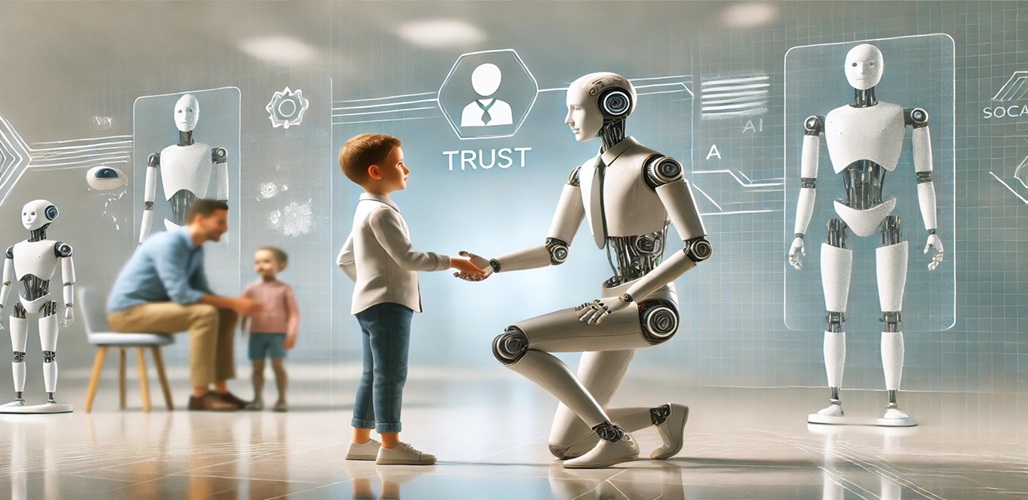
Microsoft describes these systems as trusted agents: they combine autonomy with traceability and security controls, ensuring their actions are always aligned with corporate rules and objectives.

Digital Sovereignty as a Design Principle
In parallel, Microsoft is expanding its approach to digital sovereignty, a concept that goes far beyond data residency. It’s about ensuring that organizations—especially governments, public entities, and large corporations—maintain total control over their data, infrastructure, and AI models.
The new Microsoft Cloud for Sovereignty offering and sovereign Azure instances respond to a growing need: operating in strictly regulated environments (such as the European Union and its AI Act) without sacrificing innovation. This means customers can decide where their data is hosted, who has access to it, and how governance and audit rules are applied.
This sovereignty strategy is not only technical but also political and ethical. Microsoft recognizes that large-scale adoption of artificial intelligence will only be sustainable if organizations fully trust the control, privacy, and traceability of their systems.
Security as a Non-Negotiable Pillar
None of these transformations would make sense without a solid foundation of security and compliance. Microsoft is integrating its AI capabilities into products like Defender, Sentinel, and Entra ID, with the goal of detecting, anticipating, and responding to threats in real-time.
AI-powered security agents no longer just generate alerts: they act. They can analyze anomalous behavior patterns, isolate a compromised device, or temporarily modify access rules to contain a breach. All of this happens in seconds, leveraging intelligent automation and massive data correlation capabilities.
Additionally, the company reinforces its commitment to the principles of «Secure by Design» and «Responsible AI», ensuring that AI system development is conducted under ethical, auditable, and transparent guidelines.
A More Responsible, Autonomous, and Sovereign Future
Microsoft’s new direction reveals a comprehensive vision: a more autonomous AI, but also more controlled and responsible. The company seeks to build an ecosystem where agents act securely, where data is protected under national or sectoral jurisdiction, and where trust is the foundation upon which artificial intelligence expands.
This isn’t just about technology, but about institutional trust and operational sovereignty. Microsoft wants to lead a new era in which AI doesn’t replace but amplifies the professional, executing complex actions within a defined and ethical framework.
If copilots changed how we interact with information, agents promise to transform how intelligence works with us and for us.