




When OpenAI introduced Sora in early 2025, the tech community found itself facing one of the most impressive demonstrations in the recent history of artificial intelligence. Sora transformed simple text descriptions into realistic videos, with temporal consistency, detailed physics, and cinematic visual styles. It was, in many ways, the equivalent of the «GPT moment» for generative video.
However, a year after its presentation, OpenAI has surprised everyone with an unexpected decision: temporarily closing public access to Sora. A movement that, far from being a setback, can be interpreted as a change of course towards a more strategic, responsible, and controlled AI.
The End of «Hype» and the Beginning of Responsibility
From DALL·E to ChatGPT, OpenAI has mastered the tech hype cycle. Each launch generated enormous media interest, accelerating both innovation and ethical debate. But with Sora, the implications are different.
Video, as a medium, has much greater manipulative power than text or still images. The ability to create hyper-realistic clips with non-existent actors, fake scenarios, or fabricated statements opens the door to a critical challenge: disinformation on an audiovisual scale.
OpenAI seems to have understood that it cannot repeat the same rapid deployment strategy applied to language models. Instead, it is opting for a calculated pause: fewer public demonstrations, more research behind closed doors, collaboration with regulators and institutional partners, and a focus centered on the ethical and factual alignment of the technology.
From Innovation to Control: A Matter of Maturity
Closing Sora does not mean abandoning its development. On the contrary, it could be the necessary step to refine it under criteria of safety, traceability, and responsible purpose.
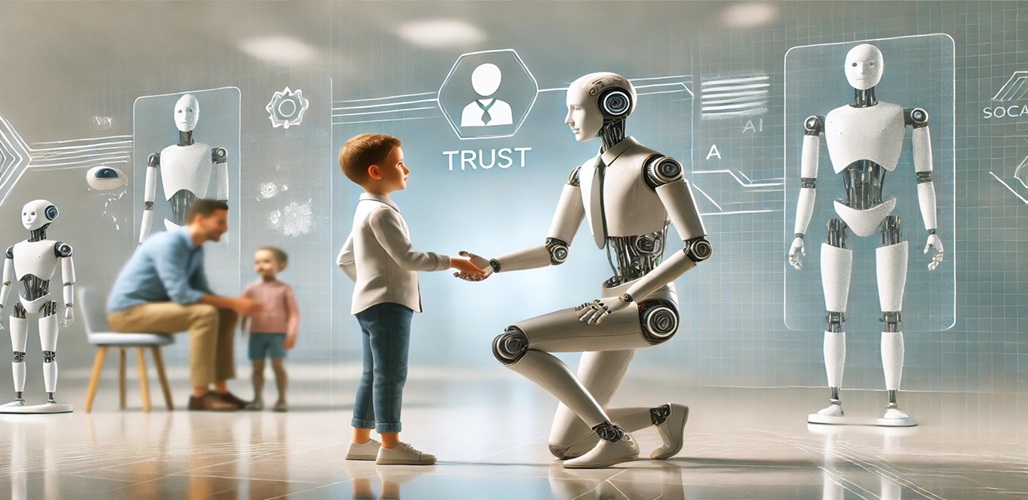
The development of generative AI has entered a maturity phase where the priority is no longer to impress, but to integrate these capabilities within frameworks of trust and verification.
OpenAI is not the only organization that has pivoted towards caution. Google DeepMind, Anthropic, or even Microsoft are following similar strategies: limiting access to multimodal models, establishing contextual alignment filters, or developing visible digital identifiers to mark generated content.
In this sense, OpenAI’s decision represents a strategic move towards technological sustainability, reducing reputational and legal risks, while preparing the ground for regulated environments like the European AI Act.
Implications for the Future of Generative Video
In the short term, the shutdown of Sora halts public access to a tool that could have transformed industries such as marketing, education, simulation, or entertainment. But in the medium term, it establishes the foundations for a new model:
· Platforms where generated content can be audited and verified.
· Ecosystems where the use of AI video complies with licensing, attribution, and traceability.
· Models distributed under institutional or corporate agreements, rather than massive public access.
The future of generative video seems to be heading towards controlled enterprise solutions, where artificial intelligence becomes a supervised creative tool, rather than a source of free and viral content.
A New Era: Less Spectacle, More Strategy
OpenAI’s decision sends a clear message to the market: the success of AI does not depend on its ability to surprise, but on its ability to sustain itself ethically.
In 2024 we saw the race for the biggest and flashiest models; in 2026, we will see the consolidation of the most governable and verifiable models. The priority shifts from media impact to real and sustainable impact.
OpenAI seems to have understood that public—and government—trust will be the most valuable asset in the coming decade. And to earn it, it is better to turn down the volume of the hype and strengthen the foundations of the strategy.
Conclusion: From Creating Realities to Protecting Them
The temporary closure of Sora is not a defeat, but a sign of evolution. OpenAI is redefining what it means to innovate responsibly: building models with immense power, but deploying them under control, context, and conscience.
In times when AI can create anything imaginable, what is truly important will be knowing when to contain it. And perhaps that is where true intelligence begins—not the artificial kind, but the human kind